Vinyl Stickers vs Paper Stickers: Which One Actually Makes Sense?
Vinyl stickers vs paper stickers is one of those questions that sounds simple until you actually need to buy the right thing. Then suddenly the answer matters. A sticker for a water bottle is not the same as a sticker for product packaging. A sticker for a laptop is not the same as a writable label for a jar, planner, or shipping bin. And this is where people get tripped up. They buy whatever sounds nicer, then blame the sticker when the material was the real problem.
So here is the short version. Vinyl stickers vs paper stickers usually comes down to durability, moisture, surface, and use case. Vinyl is usually the better choice when you want something tougher. Paper is usually the better choice when you want something cheaper, easier to write on, or meant for short-term indoor use. That is not glamorous, but it is useful.
Why Vinyl Usually Wins for Everyday Use
If you are buying stickers for laptops, water bottles, cases, outdoor gear, vehicles, coolers, or anything else that gets handled a lot, vinyl is usually the safer bet. High-quality vinyl stickers are commonly made to resist moisture, scratches, fading, and everyday wear better than paper. That does not mean every vinyl sticker is invincible. It means the material starts with a stronger base.
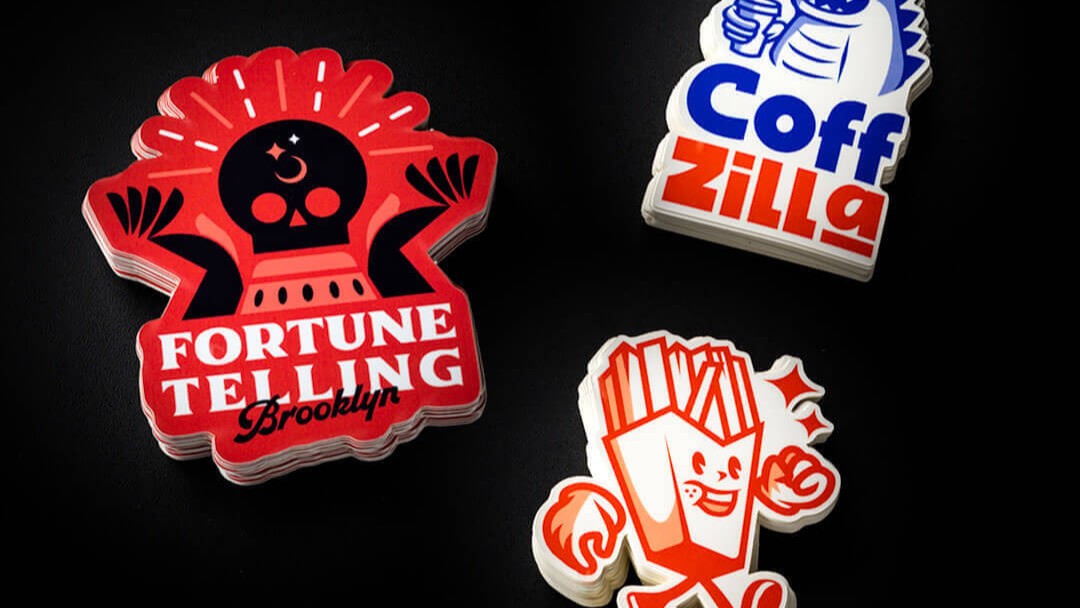
This is also why vinyl dominates most collector and artist sticker shops. It feels better in the hand, holds up longer, and looks more at home on the kinds of surfaces people actually use for display. If somebody buys a piece from an artist, they usually want it to survive more than one rough week on a bottle or laptop lid.
But there is one thing people get wrong all the time. Vinyl does not automatically mean waterproof in every situation. A lot depends on the coating, laminate, inks, and adhesive setup. So if you need real water resistance, it is worth checking whether the sticker is described that way rather than assuming the word vinyl covers everything.
When Paper Stickers Are the Better Call
Paper stickers are not worse. They are just built for a different job.
If you are labeling packaging, sealing tissue paper, decorating a planner, tagging inventory, making short-term promotional labels, or using stickers somewhere dry and low-impact, paper can make a lot of sense. It is often less expensive, more writable, and better suited to projects where you do not need long outdoor life or moisture resistance.
That is actually the big advantage paper has. It is practical. You can write on many paper sticker surfaces more easily than on slick vinyl. If the sticker is meant to carry a date, name, price, batch number, note, or quick message, paper can be the smarter choice. Not everything needs to survive a thunderstorm and a dishwasher cycle. Sometimes it just needs to stay on a box for a week and not annoy you.
Paper stickers can also give a softer, more natural look, especially for certain packaging styles. If the goal is handmade, warm, simple, or intentionally uncoated, paper can feel more appropriate than vinyl.
Where People Usually Make the Wrong Choice
Most bad sticker experiences come from mismatch, not mystery.
People put paper stickers on wet surfaces and then act surprised when they wrinkle, tear, or fade. Or they buy vinyl for a job that really needed a writable label and then get frustrated when pens smear or skip. Neither material failed. The buyer just picked for the wrong condition.
Another mistake is assuming all sticker sellers mean the same thing when they talk about durability. Some do. Some do not. One seller may mean laminated outdoor-grade vinyl. Another may mean printable vinyl with limited protection. So it helps to look for the details. If moisture, sunlight, abrasion, or repeated handling matter, the finish and protection matter too.
And surface matters more than people think. Vinyl tends to behave best on smooth materials like coated plastic, glass, and similar clean surfaces. Rough, dusty, or textured surfaces can make any sticker look worse than it should.
So Which One Should You Buy?
If your use is decorative, collectible, or high-contact, I would lean vinyl almost every time. That includes artist stickers, laptop stickers, bottle stickers, gear stickers, and anything meant to feel premium or last.
If your use is organizational, temporary, writable, or budget-driven, paper is often the better move. That includes labels for packaging, office use, storage bins, planners, event materials, and short-run projects where low cost matters more than long life.
There is also a middle ground where people overbuy durability they do not need. Not every sticker needs to be weatherproof. If the sticker lives indoors on packaging and gets tossed after purchase, paper may be completely fine. On the other hand, if the sticker is part of the product experience and people will keep it, vinyl usually earns the extra cost.
The Best Rule for Vinyl Stickers vs Paper Stickers
Here is the easiest way to think about vinyl stickers vs paper stickers.
Pick vinyl when the sticker needs to live in the real world.
Pick paper when the sticker needs to do a simple job indoors.
That is basically it.
You can get more technical if you want to. Laminate, adhesive type, finish, ink system, application surface, and storage all matter. But most people do not need a dissertation on sticker polymers. They need a clean answer that keeps them from buying the wrong thing. This is that answer.
If you are browsing artist work or collectible designs, vinyl is usually where you want to be. If you are handling labeling, packaging, or short-term organization, paper still has a very real place. Both materials are useful. They just stop being useful when people ask them to do the wrong job.